Case2
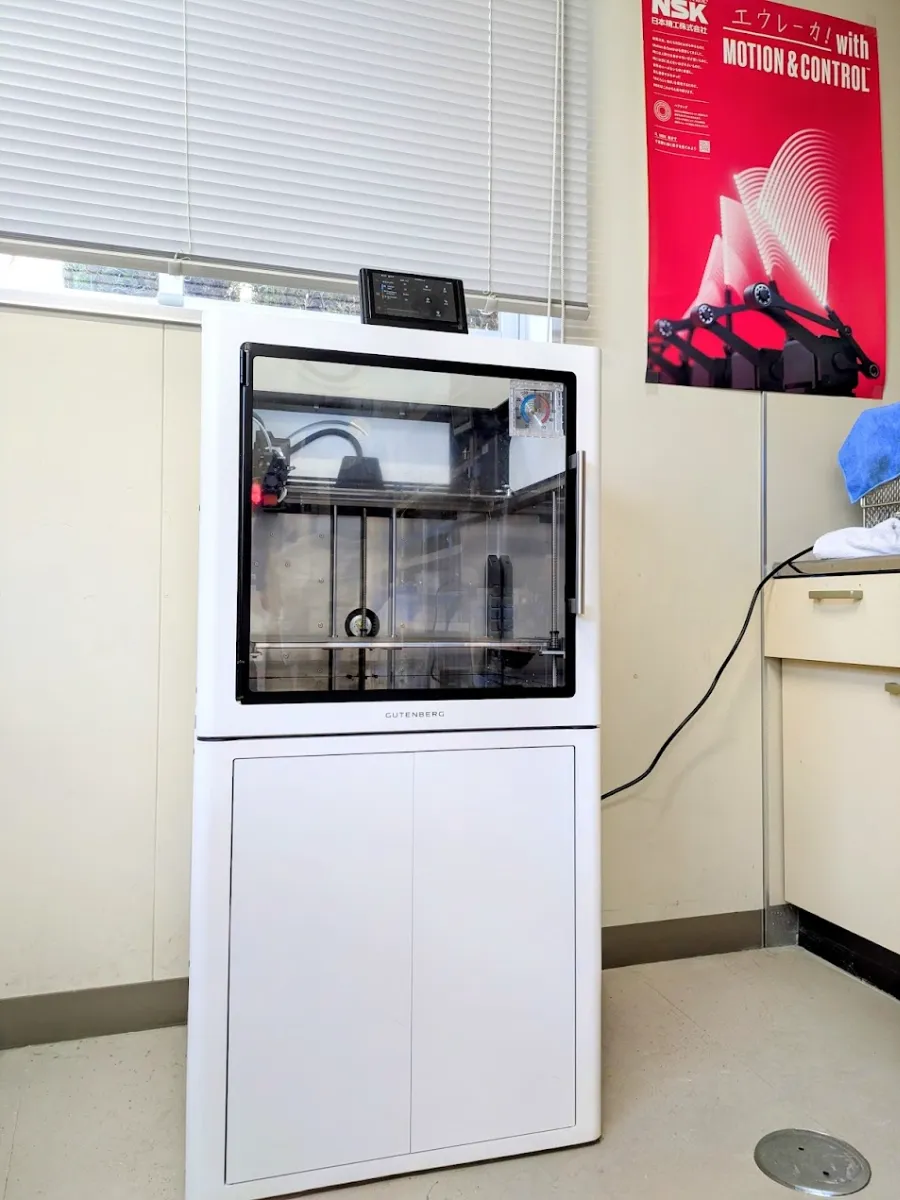
NSK Ltd., New Field Product Development Center G-ZERO L1 Case Study
NSK Ltd. is one of the world's leading bearing manufacturers. Building on that established engineering strength, the company is now accelerating product development in new fields, robotics among them. We visited Mr. Ryuzaburo Namba and his team at the New Field Product Development Center, part of the Technology Development Division, to hear how they treat a 3D printer not merely as a prototyping tool but as a weapon that moves the work forward.
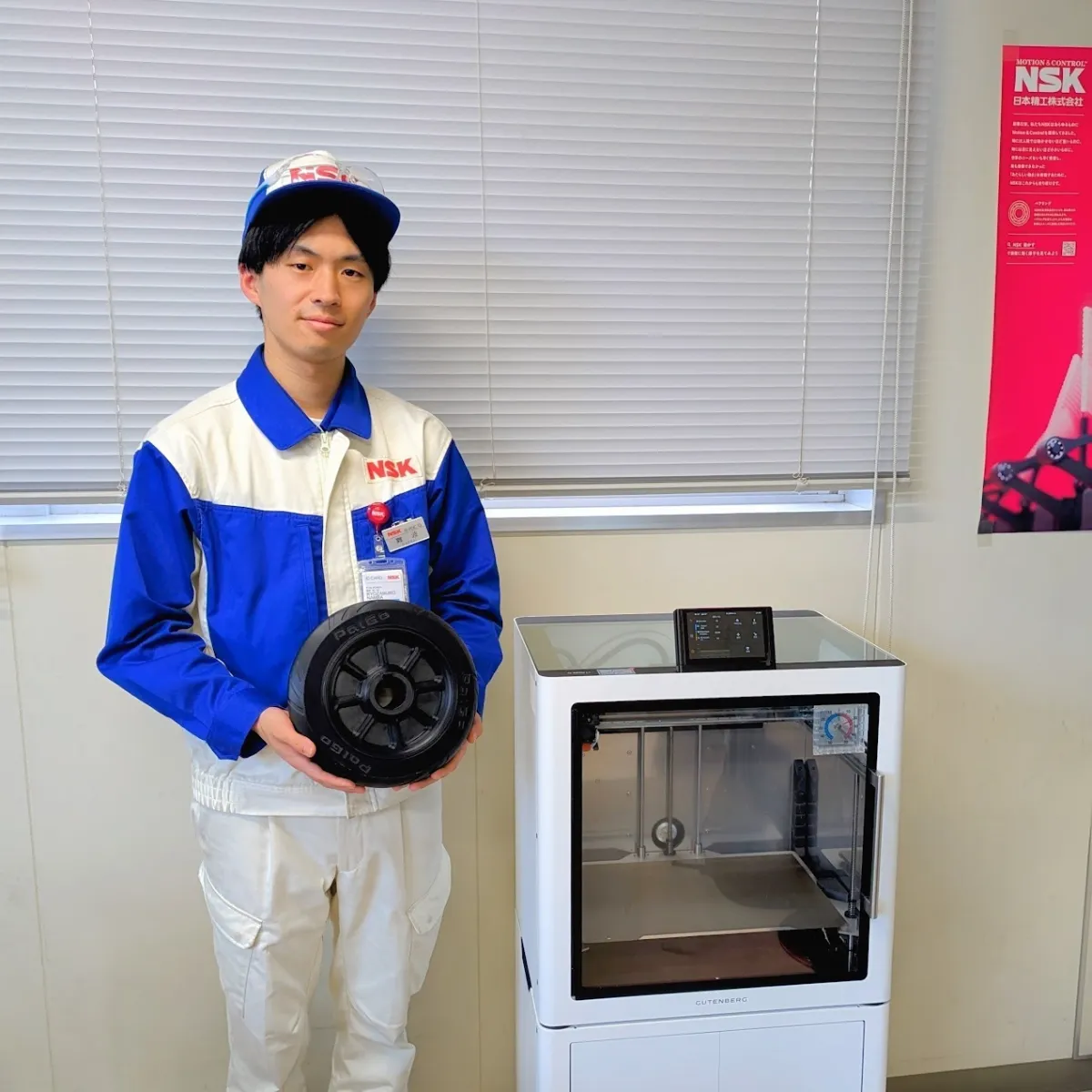
At the New Field Product Development Center, expertise in mechatronics and high-precision machining is redirected into a wide range of work aimed at turning new territory into a viable product. Alongside the prototype cycles that carry a design toward a finished article, the center is a place where a great deal of other making happens: exhibition mock-ups, principle studies for individual elements, and jigs for testing and assembly.
Most of the component parts that make up a product — both purchased items and machined parts — are sourced externally. But procurement involves obtaining quotations, filing internal purchase requests and waiting out post-order lead times, and time is easily lost to circumstances outside the team's control. "Once you include internal procedures and the supplier's delivery date, it can take about a month," says Mr. Namba. When results are required within a short window, removing that bottleneck becomes imperative. NSK's answer was to keep other machines in service for the jobs that suit them, while deploying the L1 as the decisive tool when it counts.
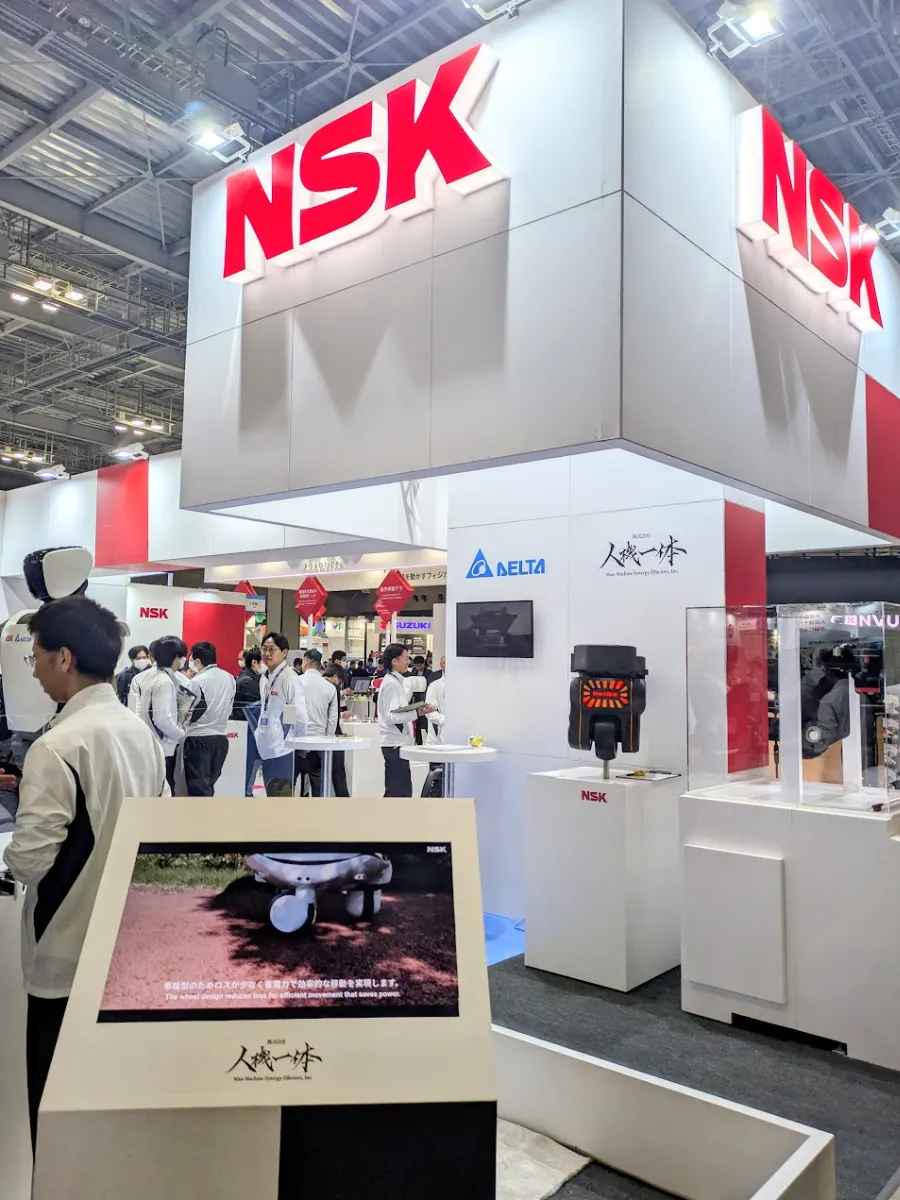
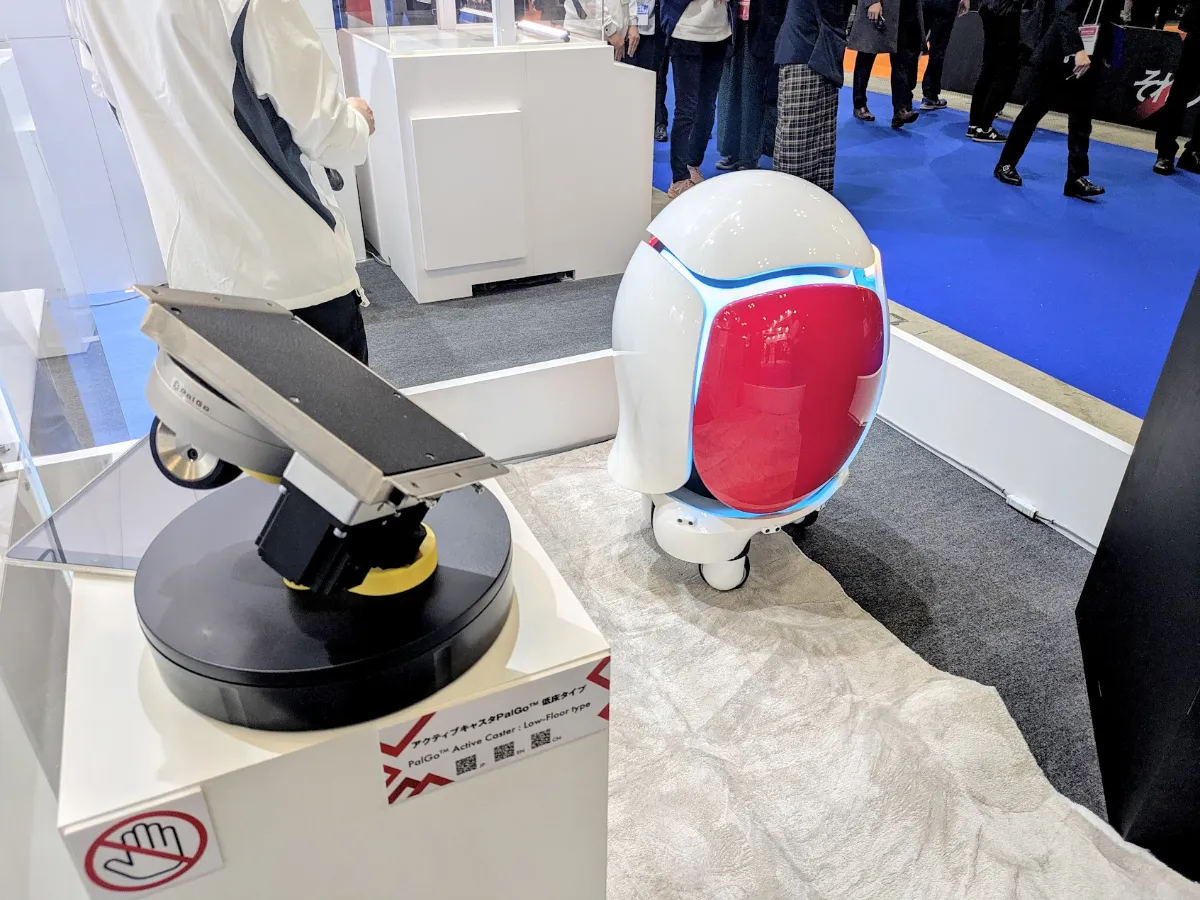
Within the center, Mr. Namba's team is charged with commercializing component products, primarily for robot leg assemblies. Most recently they have been working intensively toward the market launch of the PalGo™ active caster, which makes use of a differential mechanism.
Mr. Namba handles mechanical design and hardware evaluation on this team, working alongside members whose expertise lies in electronics and control. The group is about ten people, more than half of whom can work in 3D CAD. In addition to design work, the mechanical engineers build the principle prototypes and the jigs used to verify that a design is sound. Because a prototype is not a finished product, the way parts mount together and the datum points they reference change frequently. That is exactly why the team has to produce a shape that fits the prototype as it stands right now, quickly, and repeatedly. What makes the G-ZERO L1 effective in this work is not simply that it can produce parts — it is that a consistent level of accuracy and repeatability, the kind you need when setting datums, lets the team reach for it without hesitation.
In the run-up to commercialization, requests arrive without warning. A mounting plate for an electrical component is a typical example, and it tends to appear as "I need this today" or "can you match this by tomorrow." What makes 3D printing effective here is not only that printing is fast. It is that the whole decision, including any do-over, fits inside a realistic span of time.
Mr. Namba puts it this way:
"When someone on the electrical side suddenly says 'I need a plate to hold this down, with the mounting holes here,' it's a real help to be able to respond straight away. When it genuinely takes two or three hours, I can just take it on as a job I never even booked hours for. And if the first one doesn't work, I simply make it again, so the risk of rework is small."
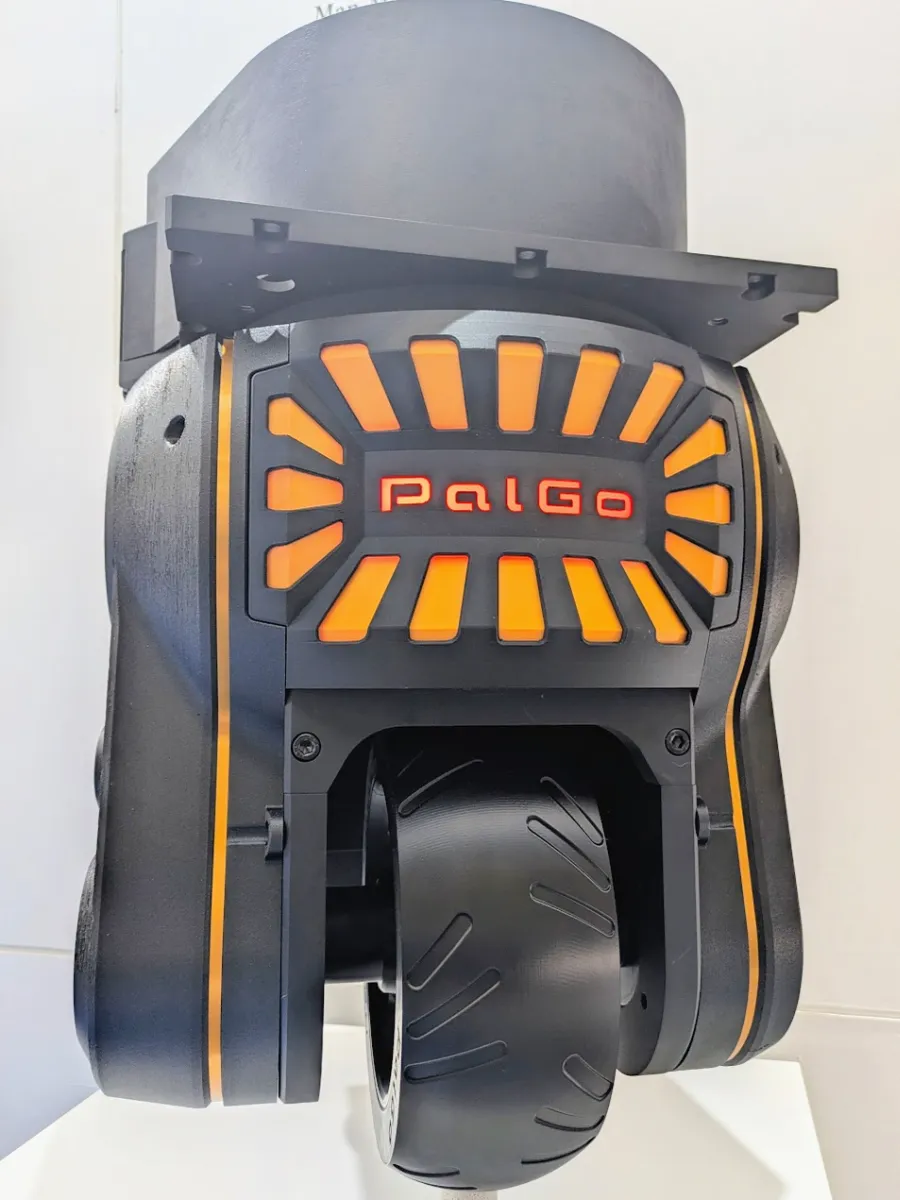
For exhibition work, the printed object is the exhibit. With large parts in particular, having to split the model adds seams and assembly work, and the appearance suffers. With other machines, Mr. Namba says, "you inevitably have to split it, and it's hard to get an exterior that holds up as an exhibit." Here the L1's advantage is that it can produce large objects in one piece.
The same applies to presentation. When the team built the display mock-up for the high-load PalGo™ active caster, they worked a logo motif into the tire tread and set lettering into the side face. Normally, engraving and decorative detail add process steps and cost depending on the fabrication method; with 3D printing, a motif built into the geometry simply comes out as printed. It strengthens the exhibit without adding setup — a good fit for how the team works. "With a 3D printer, however much debossed lettering you add, neither the difficulty nor the cost changes. As a design mock-up it comfortably passed."
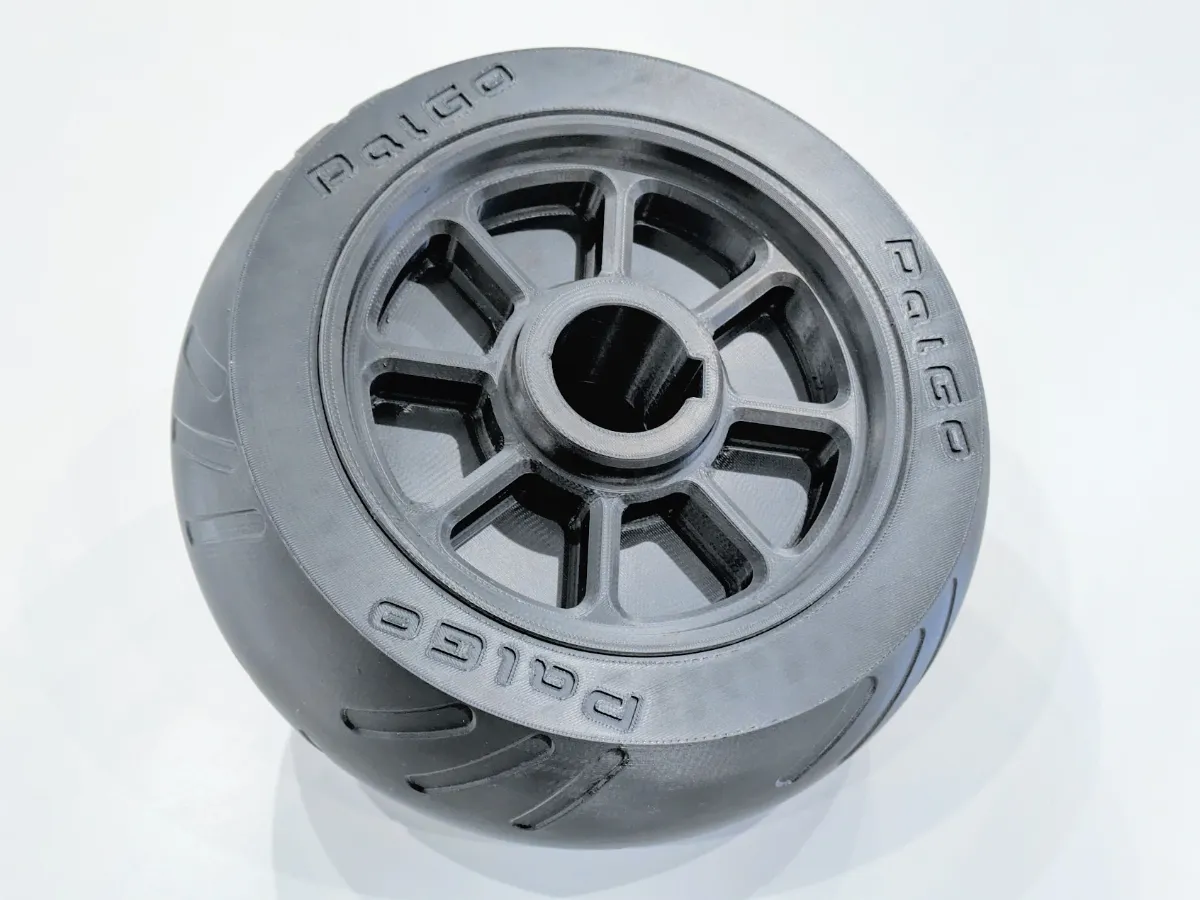
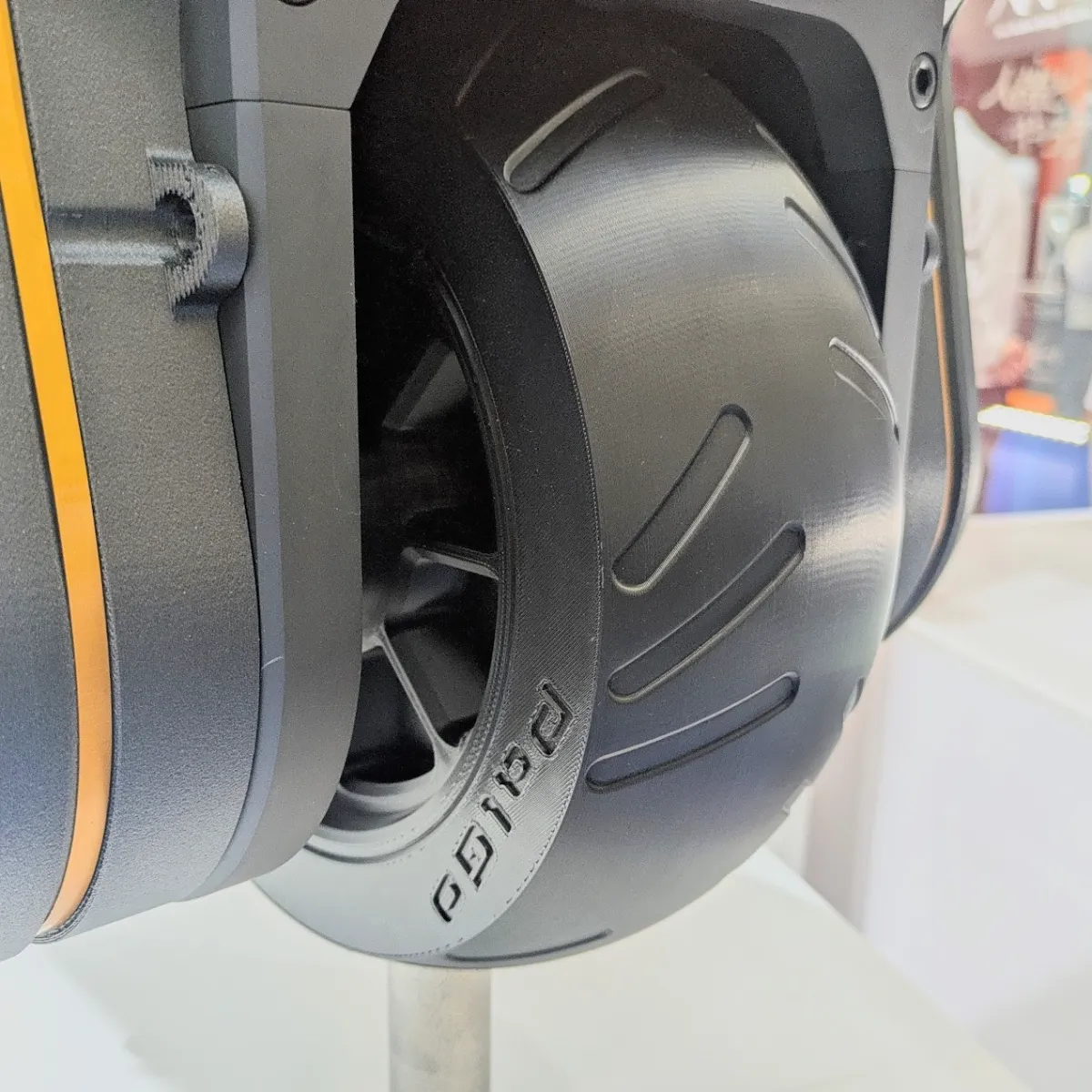
In day-to-day engineering, another benefit of a 3D printer is that an idea can be given physical form immediately, making problems visible.
In the past, even when several ideas were on the table, the team would usually pick the one that looked most defensible on lead time and cost and proceed with it alone. A 3D printer solves for both lead time and cost, so every idea can be tried quickly and cheaply.
As a result, unanticipated problems and issues that are otherwise hard to see surface right away — the team can, as project manager Mr. Daisuke Kondo puts it, get ahead of failure.
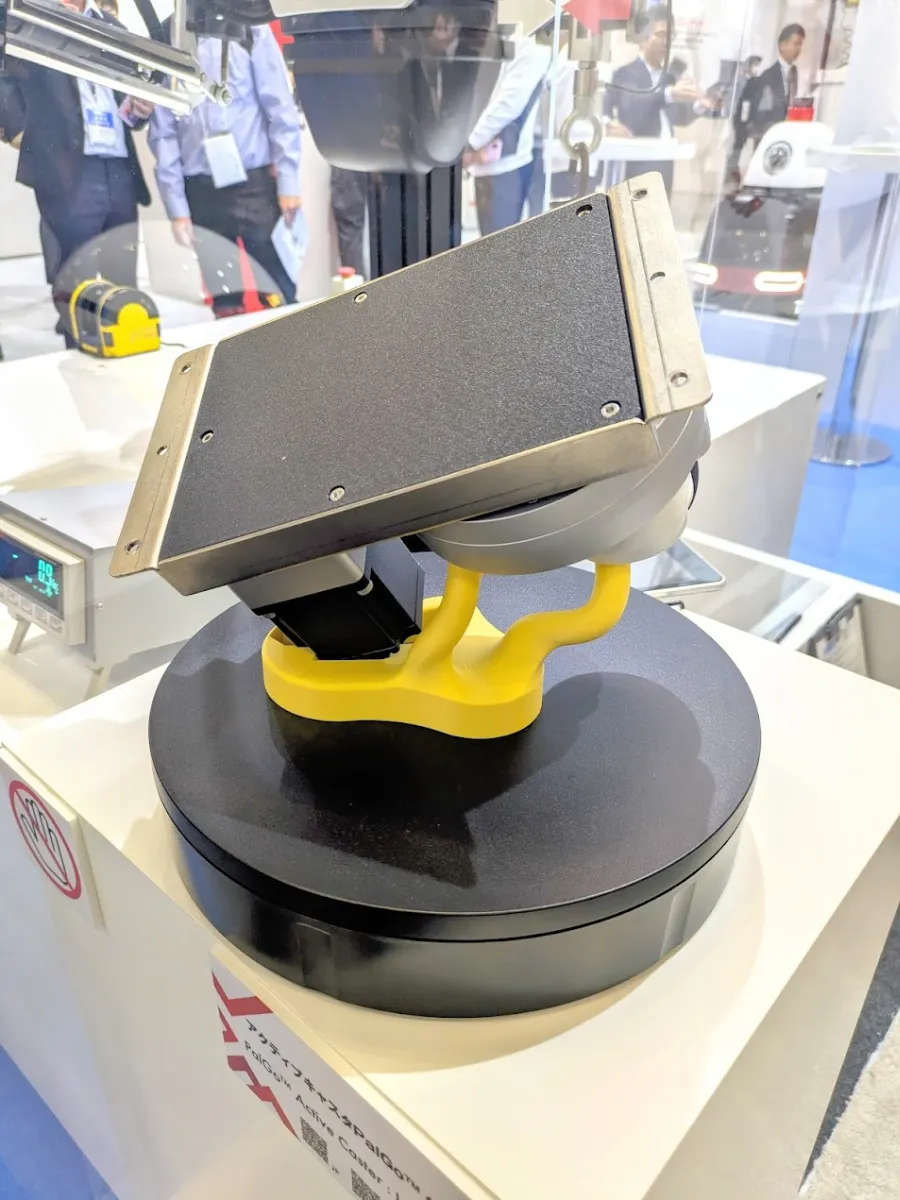
"When we built the base that the exhibits sit on for the robot show (iREX 2026), we printed all three of the ideas we had and evaluated them by actually trying them. Trying them physically surfaced problems immediately, and we could print a more refined version. Being able to run through all of that in a short time and at low cost is down to having the 3D printer."
Where other fabrication methods would make you hesitate over cost or lead time, a 3D printer lets you fail quickly and, in a sense, casually. That in turn creates slack in the schedule, raises quality, and nurtures engineers' creativity.
NSK does not run everything on one machine. Small parts and anything needing multiple colors go to another manufacturer's printer, while the L1 takes the large work, the work that demands accuracy, and the work that has to come out consistently well. "With other machines the bed temperature distribution is uneven, and prints sometimes fail. In terms of accuracy, and how easily it handles larger objects, I feel the L1 is better" — an assessment that comes from working with the machines directly.
Differences in materials and temperature range reinforce the split. The other printer currently in use has no enclosure, and the team noted that engineering plastics such as ASA are difficult to print on it. The more a job demands a consistent finish, the more the L1 is positioned as the machine entrusted with final quality.
Looking ahead, the team pointed to high-performance materials such as POTICON FILAMENT. Being able to produce parts in small lots with properties like the sliding performance POTICON offers holds real appeal. Identifying exactly which parts to apply it to — translating a materials-led approach into concrete procurement — will be the next phase of 3D printing at NSK.
Learn more about the G-ZERO L1
Product details

Contact / Quote





© Gutenberg Co., Ltd. All rights reserved.